
– Acute Toxicity
– Chronic Toxicity
– Dermal Acute Irritation
– Eye Irritation
– Sensitization
– Suchronic Toxicity
– Systemic Toxicity
– Vaginal Mocous Irritation
Currently, the use of natural raw materials derived from plants is increasing. In the ASEAN region, including Indonesia, plant raw materials that are a large part of the wealth of natural resources and diversity are now used as raw materials for herbal products, food products, and cosmetics (BPOM, 2017).
The use of herbal medicines has attracted the public’s attention, both academics and health professionals, to find out the level of safety and benefits of using a medicinal plant (Utami, 2013).
Toxicity testing of a new product or drug circulating in the market is commonly conducted to determine its efficacy, safety, and potential toxicity. In addition, safety tests are needed to meet the requirements or distribution permits of a product or drug in the community (Merdana et al., 2020).
A toxicity test is a test to detect a substance’s toxic effect on a biological system and obtain specific dose-response data from the test preparation. The data obtained can provide information about the degree of danger of the test preparation in the event of exposure to humans so that the dosage can be determined for human safety.
How SIG Can Help
SIG can perform toxicity testing. Our laboratory services have been accredited to ISO 17025: 2017. The tests carried out at SIG are supported by scientists, experts, and doctors in their fields. Our facilities include a caged laboratory as well as other funding methods.
Toxicity testing accepted by SIG, includes:
- Oral Acute Toxicity
- Oral Subchronic Toxicity
- Oral Chronic Toxicity
- Dermal Acute Toxicity
- Dermal Subchronic Toxicity
- Teratogenicity
- Eye Irritation Test
- Dermal Acute Irritation Test
Library of Knowledge
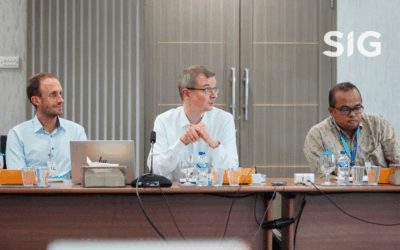
Supporting the Acceleration of Quality Infrastructure for the Circular Economy, SIG Hosts a Visit from BSN and Germany’s Physikalisch-Technische Bundesanstalt (PTB)
Bogor, July 10, 2026 – In support of the transition to a green industry and the strengthening of national quality infrastructure, SIG reaffirmed its commitment by hosting a collaborative working visit from the National Standardization Agency (BSN) and Germany’s...
Need a Unique & Complex Testing Solution? You Imagine, We Map & Analyze.
Have You Ever Faced These Challenges? ❌ Unexpected anomalies found during product manufacturing❌ Required testing parameters unavailable in any laboratory❌ A new product requires a different analytical approach❌ Buyer or regulatory requirements beyond routine testing❌...
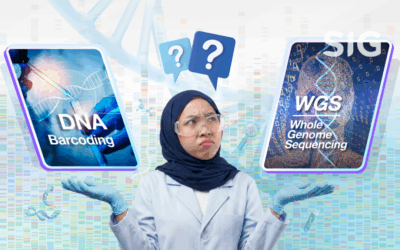
DNA Barcoding vs WGS: Which Genetic Analysis Method Is Right for Your Needs?
What Is DNA Barcoding? DNA barcoding is an identification method that uses specific genetic markers to distinguish and confirm the identity of a species. This analysis is performed using Sanger Sequencing technology, which produces high-quality DNA sequences with...
SIG Laboratory
Graha SIG, Jl Rasamala No. 20, Taman Yasmin, Bogor, Jawa Barat 16113.
Phone. +62 251 7532 348
WhatsApp. +62 82 111 516 516
Email. marketing@siglaboratory.co.id
SIG Jakarta
Jl. Percetakan Negara No. 52 B RT 006 / RW 001, Rawasari, Cempaka Putih, Jakarta Pusat 10570.
Phone. +62 21 2147 9292
SIG Medan
Jl. Bunga Asoka, Ruko Komp. Asoka Raya Residance No. 1, Medan Selayang, Sumatera Utara 20133,
WhatsApp. +62 822 7207 9665
Email. salesmedan.sig@saraswanti.com
SIG Surabaya
AMG Tower Lt. 12, Jl. Dukuh Menanggal 1-A, Gayungan, Kota Surabaya, Jawa Timur 60234.
Phone. +62 31 8253 1288
WhatsApp. +62 81 8885 165
Email. marketing@sigsurabaya.com
SIG Semarang
Jl. Kanfer Raya Blok R No. 4 Pedalangan, Kec. Banyumanik, Kota Semarang, Jawa Tengah 50268.
Phone. +62 24 7004 0541
WhatsApp. +62 812 9000 5165
Email. cs.sigsmg@saraswanti.com
SIG Yogyakarta
WhatsApp. +62 896 4856 9422
Email. arifin.sig@saraswanti.com
Operational Hours
Monday to Friday
08.00 - 17.00 WIB.


FOLLOW US
 EN
EN  ID
ID